“Peaceful Sustainability”
Beating Eco-Burnout: Small Habits That Actually Move the Needle
We are constantly bombarded with messaging about the state of our planet. Between headlines about overflowing landfills, microplastics, and carbon emissions, the pressure to become a “perfect,” zero-waste consumer is immense.
For many of us, this constant pressure leads directly to eco-burnout—that overwhelming feeling of paralysis where the problem seems so massive that our individual actions feel entirely insignificant.
If you have ever felt exhausted by the sheer effort required to live a perfectly sustainable lifestyle, you are not alone. The truth is, reversing environmental damage doesn’t require a handful of people doing zero-waste perfectly; it requires millions of people doing it imperfectly.
The Perfection Trap
Eco-burnout typically happens when we try to overhaul our entire lives all at once. We tell ourselves we need to compost all our food scraps, install solar panels, never touch a piece of plastic again, and exclusively buy locally sourced goods.
When we inevitably fall short of these massive goals—because of budget, time constraints, or simple convenience—we feel guilty and give up entirely.
To beat eco-burnout, we have to shift our mindset from high-effort overhauls to high-frequency habits.
High-Frequency vs. High-Effort Habits
The most powerful environmental changes are the ones you don’t have to think about every day. Once you make the initial switch, a high-frequency habit runs on autopilot, generating positive impact without draining your mental energy.
- High-Effort Habits: Hand-washing all laundry to save electricity, growing all your own vegetables, or cycling 15 miles to work every day. (Noble, but highly susceptible to burnout).
- High-Frequency Habits: Switching to a bamboo toothbrush, opting for paperless billing, or replacing single-use plastic cleaning sprays with a refillable tablet system. (Requires one initial decision, then zero extra effort).
The Compound Impact of the Sensible Switch
Let’s look at household cleaning as the perfect example of a high-frequency habit. Wiping down counters is something most of us do daily. Buying a new plastic spray bottle every month is a habit built on convenience.
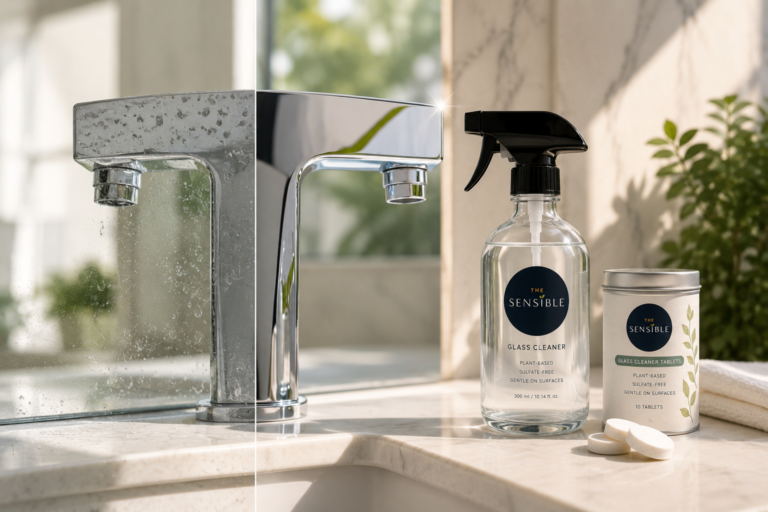
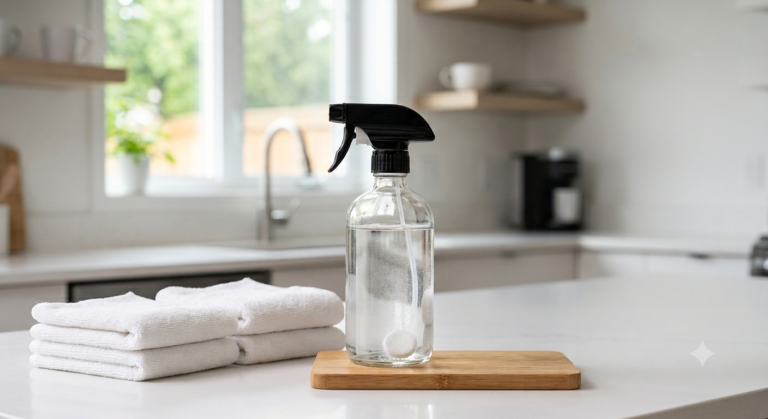
By simply upgrading to a permanent glass Forever Bottle and utilizing The Sensible compressed cleaning tablets, you change the habit once. The physical act of cleaning remains exactly the same, but the compound environmental impact is staggering.
| The Habit Timeline | Single-Use Plastic Status | Freight & Emissions Impact |
| Day 1 | 1 plastic bottle saved | You stopped paying to ship 16oz of water. |
| Month 6 | 6 plastic bottles diverted | Eliminated the carbon footprint of half a dozen heavy shipments. |
| Year 5 | 60+ plastic bottles saved | You have permanently kept complex plastic trigger sprayers out of local landfills, with zero extra effort on your part. |
Small Ripples Make Big Waves
Sustainability should not feel like a second full-time job. It should integrate seamlessly into the life you are already living.
When eco-anxiety creeps in, remind yourself that you do not need to save the world before breakfast. Focus on the small, permanent switches in your daily routine. Refilling a beautiful glass bottle with tap water and a plant-based tablet might feel like a tiny drop in the bucket, but when millions of households make that same effortless choice, the tide begins to turn.